
Chimney Removal, Cut-Downs and Bracing in Seattle
Many Seattle chimneys heat nothing and still carry tons of loose brick over the roof. We explain the three ways to deal with one and price each after a free inspection.
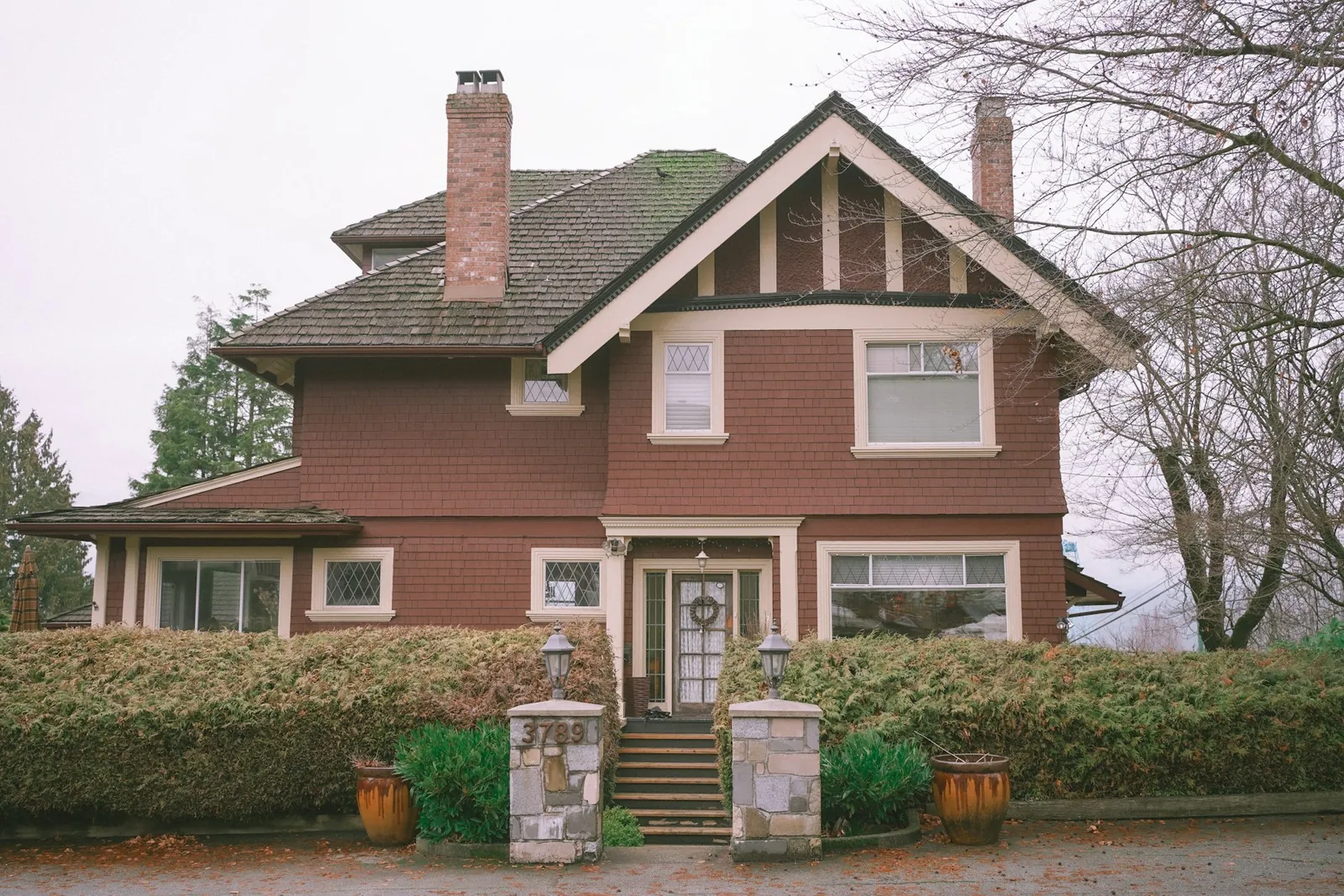
Census data show about 61 percent of Seattle homes heat mainly with electricity and only about 0.2 percent with wood. Plenty of the city's roughly 90,000 pre-1940 homes still carry the brick chimney they were built with, now venting nothing, leaking in the rain and sitting above the roof as a pile of unreinforced masonry. FEMA's guidance calls unreinforced masonry chimneys extremely vulnerable to earthquake damage, even in fairly light shaking.
That leaves owners with a real choice. You can cut the stack down, take the chimney out entirely, or keep it and brace it. Each has a different cost, a different amount of roof and interior work, and different rules in Seattle. Before any of it, we check whether the chimney still vents a furnace or water heater, because that changes the whole plan.
Signs you need this
- A brick chimney you have not used in years
- Cracks, loose bricks or a lean above the roofline
- Leaks around the chimney every rainy season
- A chimney breast taking up room you want back
- A remodel or new roof that the chimney gets in the way of
How we do it
- Find out what it ventsAt the free inspection we check every flue. If a gas water heater or furnace still uses the chimney, we plan a new vent before anything comes down.
- Pick the approachWe price a cut-down, a full or partial removal and, where it makes sense, bracing, so you can compare them side by side.
- Take it down safelyBrick comes down by hand from the top, with the roof and rooms below protected and the debris hauled away.
- Close it upThe roof opening is framed, decked and roofed over, or the stack is capped below the roofline, and any interior opening is closed in.
Cut-down, removal or bracing: which one fits?
A cut-down takes the stack down to near or below the roofline and caps it. FEMA's guidance says a chimney that is not in use can be cut down to 1 to 2 feet above the roof, which removes most of the falling hazard for the least money. Full removal also takes out the chimney breast inside the house and costs more, but gives back floor space and ends roof leaks at that spot for good.
Bracing keeps the chimney and ties it to the roof structure. FEMA says bracing in place needs an engineered design. It suits a chimney you still use, or one you want to keep for the look of the house.
What does Seattle's chimney rule say about this?
After the 2001 Nisqually earthquake, Seattle adopted a rule for altering and repairing unreinforced masonry chimneys, Director's Rule 5-2004. It calls for repairs in reinforced masonry or a listed metal chimney, requires chimneys standing more than 3 feet above the roof to be supported at two or more points, and warns that a chimney may also vent a gas water heater. Ask SDCI to confirm the current requirements before you commit, since we have not confirmed whether the rule has been updated.
What does chimney removal cost?
Taking the stack down below the roof typically costs $1,000 to $2,500. Removing the stack and the chimney breast inside typically costs $4,000 to $10,000. Height, roof pitch, how many floors the chimney passes through and how much finish work is needed afterward set where a job lands. Bracing is priced at the inspection because it depends on the design.
FAQ
Chimney Removal questions
Should I remove my unused chimney because of earthquakes?
It is a reasonable step. FEMA's guidance says removal is the most reliable fix for an unreinforced masonry chimney, and an unused one can be cut down to 1 to 2 feet above the roof. We confirm nothing still vents through it first.
My water heater vents into the chimney. Can it still come out?
Yes, but the water heater needs a new vent first. That can be a metal vent through the roof or a different route. We check this at every removal inspection.
Can you remove just the part above the roof?
Yes. Taking the stack down below the roof and closing the roof over it typically costs $1,000 to $2,500 and leaves the inside of the house alone.
Will removing it stop my roof leak?
If the leak comes from the chimney, removing the stack and roofing over the opening ends it at that spot. If it comes from somewhere else on the roof, it will not.
How long does it take?
A stack taken down below the roof is often one or two days. A full removal through the house can take several. We give you the expected length at the inspection.
Related
Masonry, leaks and rebuilds
Book online
Pick a day. We'll bring a ladder.
Free inspection in a 3-hour window: 8 to 11, 11 to 2, or 2 to 5. We call to confirm before we arrive.